
ATM Skimming and Gas Pump Scams: How to Spot Them in 2026

Introduction to ATM Skimming and Gas Pump Scams
ATM skimming and gas pump scams continue to cost consumers and banks over $1 billion annually at gas pumps alone, with skimming attacks surging in recent years. Even in 2026, criminals deploy increasingly sophisticated devices that are harder to detect. Knowing how to spot ATM skimming and gas pump scams can save you from financial loss, identity theft, and hours of recovery stress.
This comprehensive 2026 guide equips you with the latest detection techniques, real-world examples, statistics, and actionable prevention strategies. Whether you’re at a gas station, bank ATM, or convenience store pump, these proven methods will help you stay one step ahead of fraudsters.
What Are ATM Skimming and Gas Pump Scams?
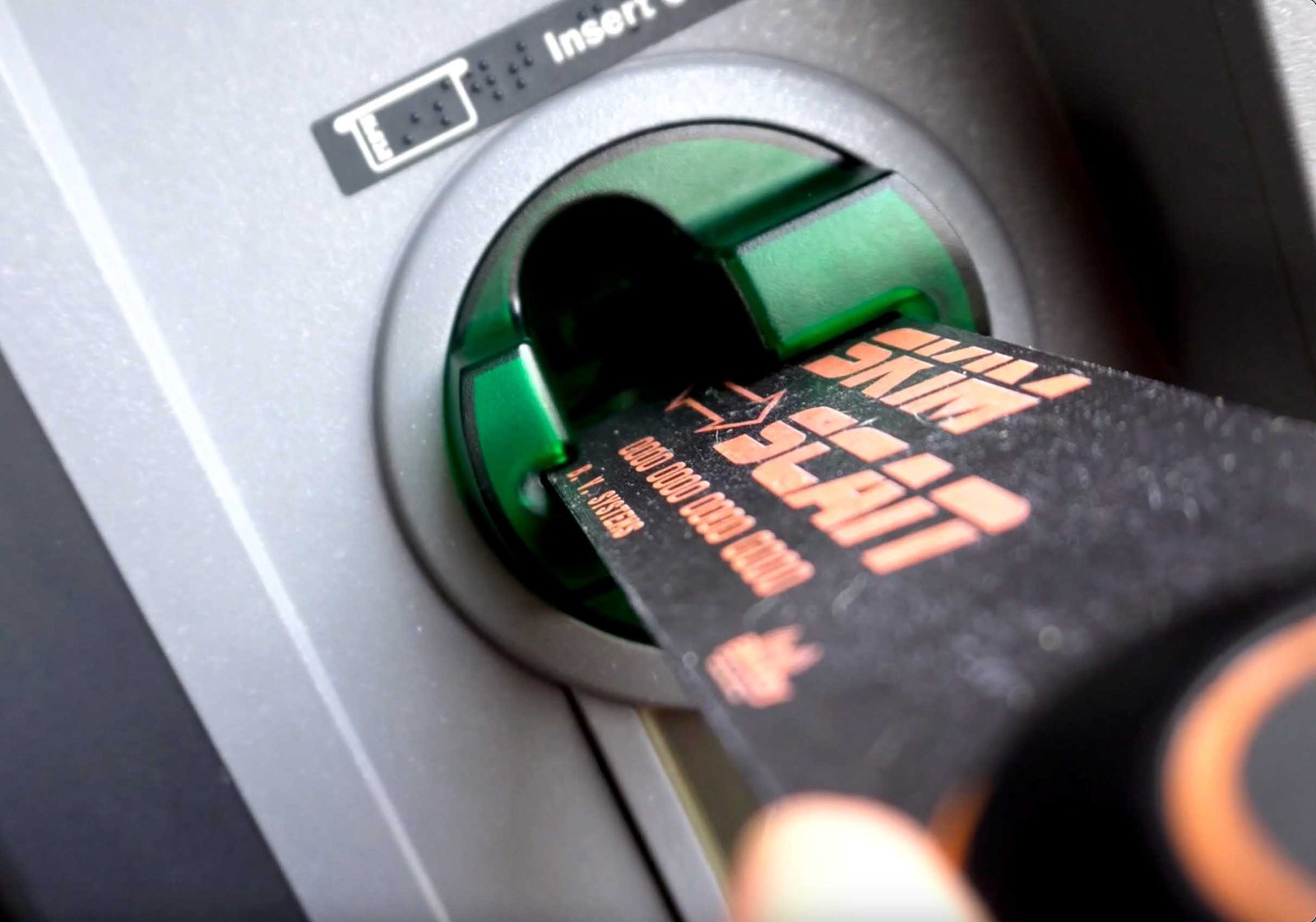
ATM skimming involves criminals attaching devices to ATMs that capture card data from the magnetic stripe or chip and record PINs via overlay keypads or hidden cameras. Gas pump scams use similar technology installed inside or over card readers at fuel pumps.
Stolen data is cloned onto blank cards or sold on the dark web, leading to unauthorized withdrawals and purchases. In 2026, skimmers often combine physical hardware with Bluetooth transmission for real-time data theft.
Latest 2026 Statistics on Skimming Fraud
Card skimming remains a massive problem. Gas stations accounted for approximately 65% of U.S. skimming incidents in recent reporting. Overall skimming attacks surged 90% in 2025, though early 2026 data shows some decline due to better awareness and technology.
Annual losses from gas pump skimming exceed $1 billion in the U.S. Law enforcement removed hundreds of devices in early 2026 outreach campaigns. Debit cards are especially vulnerable because funds are withdrawn directly, unlike credit cards with stronger liability protections.
Evolution of Skimming Technology in 2026
Criminals have moved beyond bulky external devices:
- Deep Insert Skimmers: Thin devices inserted fully inside the card slot, nearly invisible.
- Internal Shims: Exploit EMV chip readers.
- Overlay Keypads and Cameras: Capture PINs with high-resolution hidden lenses.
- Bluetooth-Enabled Skimmers: Transmit data instantly to thieves nearby.
- Low-Tech Variants: Still effective at older pumps lacking modern security.
Gas pump skimmers are particularly dangerous because pumps are often unattended for long periods, allowing installation without immediate detection.
How to Spot ATM Skimming: Visual and Physical Checks
Step-by-step inspection at any ATM:
- Pull and Wiggle the Card Reader — Genuine readers are securely attached. If it feels loose, bulky, or comes off slightly, it may have a skimmer overlay.
- Compare with Other Machines — Check multiple ATMs at the same location. Inconsistent appearances are red flags.
- Examine the Keypad — Look for overlays. Test keys for stiffness or unusual resistance.
- Check for Hidden Cameras — Scan for pinhole lenses above or beside the keypad. Cover your hand when entering your PIN.
- Look for Tampering Signs — Scratches, mismatched colors, glue residue, or bulky additions around the card slot.
- Prefer Bank-Owned ATMs — Lobby or drive-up machines inside bank premises are generally safer than standalone ones.
How to Spot Gas Pump Skimming Scams
Gas pumps require extra vigilance:
- Jiggle the Card Reader — Tug gently. It should not move or feel detachable.
- Inspect the Entire Panel — Look for signs the pump door or panel was forced open. Check if the reader looks different or bulkier than others at the station.
- Examine the Pump Handle and Hose — Some advanced devices integrate here.
- Avoid Pumps Near the Entrance/Exit — These are more frequently targeted for quick access.
- Check Security Seals — Many modern pumps have tamper-evident seals. Broken or missing seals are warnings.
Pro Tip: If a pump feels “off” or looks newer/older than surrounding ones, choose another.
Red Flags That Indicate a Potential Scam
- Card reader feels sticky or has residue.
- ATM screen shows unusual prompts or delays.
- Keypad lights don’t match surrounding illumination.
- Bluetooth signals or suspicious people lingering nearby (thieves often wait in vehicles to collect data).
- Pump requires unusual force to insert card.
What to Do If You Suspect a Skimmer
- Do not use the machine.
- Report it immediately to the gas station/ bank manager and local police.
- Notify your card issuer if you already used it.
- Monitor accounts closely for suspicious activity.
- File reports with the FTC at IdentityTheft.gov if needed.
Prevention Strategies That Actually Work in 2026
- Use Contactless/Tap-to-Pay or Mobile Wallets — Apple Pay, Google Pay, and similar services use tokenization, rendering stolen data useless.
- Run Debit as Credit — Avoid entering your PIN at pumps when possible.
- Pay Inside the Store — Especially at night or at unfamiliar stations.
- Enable Real-Time Transaction Alerts — Get notified instantly via app, text, or email.
- Carry RFID-Blocking Wallets — Offers minor protection against some electronic skimmers.
- Use Credit Cards Over Debit — Stronger zero-liability protections.
- Inspect Before Every Use — Make it a habit.
Advanced Protection Tools and Habits
- Set daily spending limits on cards.
- Use virtual credit card numbers for any linked services.
- Install security apps from your bank that detect unusual patterns.
- Support stations and banks investing in EMV, chip technology, and AI fraud detection.
Real-Life Examples and Case Studies
Recent Secret Service campaigns highlight ongoing operations removing skimmers from gas pumps and ATMs across the U.S. Victims often discover fraud days or weeks later through small test charges followed by larger withdrawals. One common pattern: thieves target high-traffic travel corridors and older equipment.
Future Trends: What to Watch in Late 2026 and Beyond
Criminals are shifting toward fully internal devices and combining skimming with malware or phishing. However, wider adoption of tokenization, biometrics, and contactless payments is reducing effectiveness. Law enforcement continues joint operations with the Secret Service targeting these rings.
Conclusion
ATM skimming and gas pump scams remain persistent threats in 2026, but vigilance and modern payment methods dramatically reduce your risk. By learning how to spot ATM skimming and gas pump scams through physical inspection, choosing safer payment options, and maintaining constant monitoring, you can protect your finances effectively.
Make these checks a routine part of every transaction. Your awareness today prevents tomorrow’s headache. Stay safe, pay smart, and share this guide to help others avoid becoming victims.
FAQ
How common are ATM skimming and gas pump scams in 2026?
Very common. Gas stations account for about 65% of skimming incidents, with annual losses exceeding $1 billion at pumps alone.
Can modern chip cards still be skimmed?
Yes. While chips are more secure, skimmers capture data during insertion, and shims or deep-insert devices can still compromise them. Contactless is safer.
What should I do if I used a pump with a skimmer?
Contact your bank or card issuer immediately, monitor accounts, and report the suspicious pump to authorities.
Are debit cards or credit cards safer at gas pumps?
Credit cards are safer due to better liability protections. Run debit as credit when possible to avoid PIN entry.
How effective are tap-to-pay and mobile wallets against skimming?
Highly effective. They use dynamic tokens instead of your actual card number, making stolen data useless.
Can you remove a skimmer yourself?
No. Report it to the location owner and police. Tampering could damage equipment or alert criminals.
Do gas pump skimmers steal your PIN too?
Many do, through overlay keypads or hidden cameras. Always cover the keypad and prefer contactless options.

