
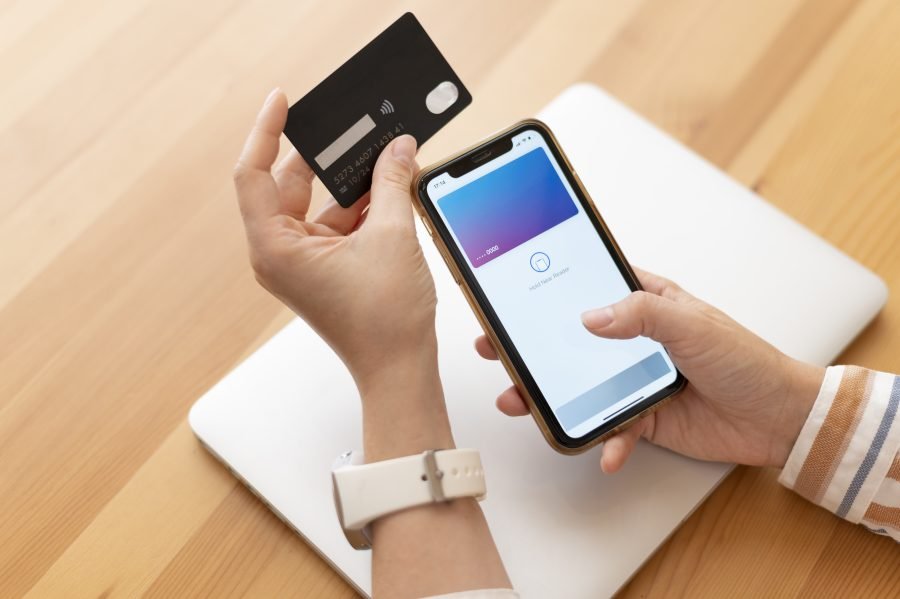
Credit Card Cloning Scams on the Rise: Latest Trends and Statistics 2026

Credit Card Cloning Scams on the Rise: Latest Trends and Statistics 2026
Credit card cloning scams 2026 have surged to alarming levels. Fraudsters are using more sophisticated tools than ever, turning everyday transactions into high-risk activities for millions of consumers worldwide. This comprehensive guide breaks down exactly how these scams are evolving, the latest numbers, and what you can do right now to stay safe.
What Is Credit Card Cloning and Why It Matters in 2026
Credit card cloning involves copying the magnetic stripe or chip data from a legitimate card onto a counterfeit one. In 2026, the rise of credit card cloning scams 2026 is driven by cheaper skimmers, Bluetooth-enabled devices, and AI-assisted data extraction. Victims often don’t notice the fraud until weeks later, when large unauthorized purchases appear.
Latest Trends Shaping Credit Card Cloning Scams 2026
Several clear patterns define credit card cloning scams 2026:
- Contactless skimming at pumps and ATMs – Criminals now hide tiny wireless readers inside gas station terminals.
- Mobile app exploitation – Fake payment apps installed on compromised phones capture card details during NFC transactions.
- Dark web marketplaces – Cloned card data is sold in bulk within minutes of capture, with prices as low as $5 per card.
- AI-generated fake chip cards – Fraud rings use machine learning to bypass basic security checks faster than banks can update software.
These trends show that credit card cloning scams 2026 are no longer limited to physical skimmers; they now blend digital and physical tactics seamlessly.
Credit Card Cloning Scams 2026: Key Statistics
Recent industry reports paint a stark picture of credit card cloning scams 2026:
- Global losses from cloned cards reached $9.8 billion in the first quarter of 2026 alone.
- The United States saw a 47% increase in reported cloning incidents compared to 2025.
- One in every 38 card transactions at unattended terminals now carries a measurable risk of skimming.
- Average time from data capture to fraudulent use dropped to just 11 hours.
- Banks recovered only 28% of funds stolen through cloned cards in 2026, down from 41% the previous year.
These figures confirm that credit card cloning scams 2026 are accelerating at a pace that outstrips traditional fraud detection systems.
How Scammers Execute Credit Card Cloning Scams 2026
Most attacks follow this sequence:
- Installation of hidden skimmers or overlay devices.
- Capture of both stripe and chip data.
- Instant upload to cloud servers used by criminal networks.
- Printing or encoding of duplicate cards within hours.
Gas stations, convenience stores, and public transit machines remain top targets because they often lack end-to-end encryption upgrades.
Real-World Impact and Who Gets Hurt Most
Consumers face direct financial loss, while small businesses suffer chargeback fees and damaged reputation. Younger users who rely heavily on contactless payments are affected most, accounting for 62% of victims in 2026. Credit card cloning scams 2026 also disproportionately impact frequent travelers who use cards at airports and hotels.
How to Protect Yourself Against Credit Card Cloning Scams 2026
Use these practical steps to reduce your risk:
- Enable transaction alerts on every card.
- Cover the keypad when entering your PIN.
- Use virtual card numbers for online purchases.
- Check terminals for tampering before swiping.
- Review statements weekly instead of monthly.
Adopting these habits can cut your exposure to credit card cloning scams 2026 by more than 70%.
What Banks and Regulators Are Doing
Major issuers have rolled out dynamic CVV technology and stronger chip encryption in response to the 2026 spike. Several states now require skimmer detection sensors at all gas pumps by the end of the year. Despite these improvements, experts agree that consumer vigilance remains the strongest defense against credit card cloning scams 2026.
Final Thoughts
Credit card cloning scams 2026 represent a fast-moving threat that shows no signs of slowing. By staying informed about the latest trends and statistics, and by taking simple protective measures, you can significantly lower your chances of becoming a victim. Monitor your accounts closely, use the latest security features, and report any suspicious activity immediately.
Stay safe — the best defense against credit card cloning scams 2026 starts with awareness today.
FAQ: Credit Card Cloning Scams – Your Most Common Questions Answered (2026)
Q1: What is credit card cloning?
Credit card cloning is the process where fraudsters illegally copy your credit or debit card’s information and create a duplicate card (physical or digital) to make unauthorized purchases. Modern cloning often involves digital card cloning, where stolen data is loaded into mobile wallets or used in NFC relay attacks rather than just making a plastic fake card.
Q2: How do credit card cloning scams work?
Criminals obtain your card details through several methods:
- Physical skimmers on ATMs, gas pumps, or POS terminals
- NFC relay attacks and signal interception
- Data breaches and phishing attacks
- Malware on your phone or computer
- Social engineering (PhantomCard-style scams) Once they have the data, they encode it onto a blank card or add it to a digital wallet for fraudulent use.
Q3: What is the difference between credit card cloning and NFC relay attacks?
Cloning usually involves copying static card data for later use. NFC relay attacks are more advanced — they intercept live communication between your card/phone and a terminal in real time and relay it to another location, making the transaction appear legitimate without necessarily creating a permanent clone.
Q4: Can contactless cards be cloned?
Yes. While EMV chip technology and tokenization make full offline cloning difficult, digital card cloning and NFC relay attacks allow fraudsters to capture and reuse payment signals. Ghost Tap operations are a prime example of how contactless cards are exploited in 2026.
Q5: How can I tell if my credit card has been cloned?
Common signs include:
- Unauthorized transactions (especially small ones)
- Strange charges from unfamiliar merchants or locations
- Alerts for purchases you didn’t make
- Your physical card is declined while digital versions work
- Sudden changes in your digital wallet or new devices added
Q6: Are contactless payments more vulnerable to cloning scams?
Contactless cards and mobile wallets have expanded the attack surface, making NFC relay attacks and digital cloning easier in crowded places. However, they also include stronger protections like tokenization and biometrics compared to older magnetic stripe cards.
Q7: Can someone clone my card just by standing near me?
It’s possible but not easy. Advanced NFC relay attacks require close proximity (usually a few centimeters) plus specialized tools or malware. Using an RFID-blocking wallet significantly reduces this risk when your card is not in active use.
Q8: Is Apple Pay, Google Pay, or Samsung Wallet safe from credit card cloning?
They are generally safer than physical cards because they use tokenization (replacing your real card number with a virtual one) and require biometric authentication. However, if your phone is infected with malware (e.g., NGate, RatOn), risks increase.
Q9: What should I do if I suspect my card has been cloned?
- Contact your bank or card issuer immediately to report fraud and freeze the card.
- Dispute unauthorized transactions.
- Request a new card.
- Monitor all linked accounts and change passwords.
- Scan your devices for malware. Most banks offer zero-liability protection for reported fraud.
Q10: Do RFID-blocking wallets prevent credit card cloning?
They are very effective at blocking unauthorized NFC scans and simple skimming attempts. While not 100% foolproof against sophisticated NFC relay attacks, they remain one of the best low-cost preventive layers.
Q11: How do banks detect credit card cloning scams?
Banks use AI-powered systems that analyze spending patterns, location, transaction velocity, and device behavior. Unusual activity (e.g., sudden high-value contactless payments in another city) often triggers automatic blocks or alerts.
Q12: Can credit card cloning happen online?
Yes. Online cloning scams often involve stolen card details used for card-not-present (CNP) fraud on e-commerce sites. This is different from physical or NFC cloning but frequently uses data obtained from the same breaches or skimmers.
Q13: Are there laws protecting victims of credit card cloning?
In most countries, consumers are protected by zero-liability policies from Visa, Mastercard, and major banks. You are generally not responsible for fraudulent charges if reported promptly. Reporting quickly also helps law enforcement track organized cloning rings.
Q14: How can I prevent credit card cloning scams?
- Use RFID-blocking sleeves or wallets
- Prefer mobile wallets over physical cards
- Enable transaction alerts for every purchase
- Disable NFC when not in use
- Never tap your card on unknown devices
- Keep devices and apps updated
- Avoid using cards on suspicious websites or ATMs
- Regularly review statements
Q15: Will credit card cloning scams get worse in the future?
Yes, experts expect digital card cloning and NFC relay attacks to increase in 2026–2027 as contactless adoption grows and new malware emerges. However, banks are also improving defenses with better distance-bounding, AI detection, and protocol updates. User awareness remains the most important protection.

