
How Banks and Payment Companies Fight Card Cloning Fraud in 2026

Table of Contents
ToggleIntroduction to how financial institutions Fight Card Cloning Fraud in 2026
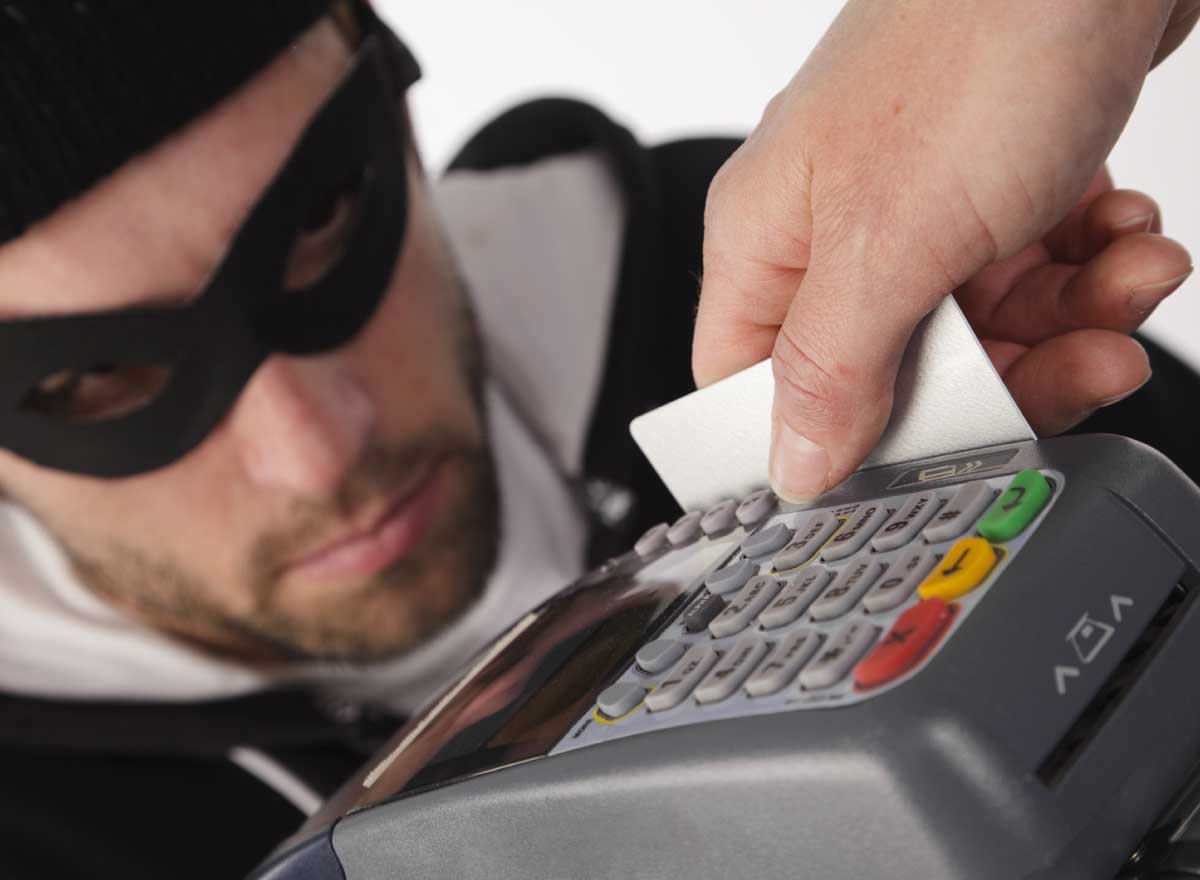
Card cloning fraud remains one of the biggest financial security threats in the modern digital economy. Despite major improvements in payment technology, cybercriminals continue developing sophisticated ways to steal card information and create counterfeit payment cards.
In 2026, banks and payment companies are investing billions into advanced fraud prevention systems to protect customers from financial loss. Artificial intelligence, biometric authentication, tokenization, behavioral analytics, and real-time transaction monitoring are now central to modern banking security.
As financial fraud becomes more sophisticated, understanding how banks and payment companies fight card cloning fraud in 2026 helps consumers recognize the technologies protecting their money every day.
This guide explores:
- How card cloning works today
- Why fraud attacks are evolving
- Modern banking security systems
- AI-powered fraud detection
- Biometric verification tools
- EMV chip technology
- Tokenization and digital wallets
- Future anti-fraud innovations
What Is Card Cloning Fraud?
Card cloning fraud occurs when criminals steal payment card data and copy it onto another card. The cloned card can then be used for:
- ATM withdrawals
- Retail purchases
- Online shopping
- International transactions
Card data is commonly stolen through:
- ATM skimmers
- Fake payment terminals
- Data breaches
- Malware attacks
- Contactless RFID interception
- Phishing scams
Although magnetic stripe cloning has declined, criminals now target digital payment systems and online card-not-present transactions.
Why Card Cloning Fraud Is Still Growing in 2026
Many people assume modern chip cards eliminated card cloning completely. Unfortunately, fraudsters continuously adapt.
In 2026, criminals increasingly use:
- AI-assisted phishing attacks
- Smart ATM skimmers
- Deepfake identity scams
- Malware-infected payment terminals
- Contactless payment interception tools
The growth of international travel, digital banking, and online shopping has also expanded opportunities for financial fraud.
Banks must now fight both physical and digital card cloning threats simultaneously.
How Banks Fight Card Cloning Fraud in 2026
Financial institutions use multiple layers of protection to stop fraud before it affects customers.
1. AI-Powered Fraud Detection Systems
Artificial intelligence is now one of the strongest tools banks use to fight card cloning fraud in 2026.
AI systems analyze:
- Spending habits
- Transaction locations
- Purchase timing
- Merchant patterns
- Device behavior
- Login activity
If suspicious activity appears, the system can:
- Block transactions instantly
- Freeze cards temporarily
- Request identity verification
- Alert customers immediately
For example:
If your card suddenly makes a purchase in another country minutes after being used locally, AI systems immediately flag the activity.
Machine learning models become smarter over time by analyzing millions of transactions daily.
2. EMV Chip Technology
EMV chip cards remain one of the most effective anti-cloning tools.
Unlike magnetic stripes, EMV chips generate unique transaction codes for every payment.
Even if criminals intercept transaction data, they usually cannot reuse it successfully.
Benefits of EMV technology include:
- Dynamic authentication
- Reduced counterfeit fraud
- Improved encryption
- Safer in-store payments
Many banks are also gradually removing magnetic stripe fallback support to reduce cloning risks further.
3. Real-Time Transaction Monitoring
Modern banks no longer wait hours or days to detect fraud.
Today’s fraud monitoring systems operate in real time.
Banks continuously track:
- ATM withdrawals
- Contactless payments
- Foreign purchases
- Unusual merchant activity
- Multiple rapid transactions
Suspicious activity triggers automated responses within seconds.
Some systems can even detect fraud before transactions are completed.
4. Biometric Authentication
Biometrics have become a major defense against cloned card usage.
Banks now use:
- Fingerprint verification
- Facial recognition
- Voice authentication
- Behavioral biometrics
Behavioral biometrics analyze:
- Typing patterns
- Swipe speed
- Device handling
- Login behavior
If a user behaves differently from their normal habits, banks may block account access automatically.
5. Tokenization Technology
Tokenization replaces sensitive card numbers with temporary encrypted tokens.
This means merchants never receive the real card information.
Digital wallets such as:
- Apple Pay
- Google Pay
- Samsung Wallet
all rely heavily on tokenization.
Even if hackers intercept payment data, the stolen tokens are often useless.
Tokenization significantly reduces the success rate of card cloning attacks.
6. Multi-Factor Authentication (MFA)
Banks increasingly require multiple verification steps before approving transactions.
This may include:
- SMS verification codes
- Banking app approvals
- Fingerprint scans
- Email confirmations
- Security questions
MFA makes it much harder for criminals to access accounts even if card information is compromised.
7. Anti-Skimming ATM Technology
Banks continue upgrading ATM security to prevent skimming attacks.
Modern anti-skimming systems include:
- Jitter technology
- Tamper detection sensors
- Deep insert skimmer blockers
- Encrypted PIN pads
- Hidden camera detection
Jitter technology disrupts skimmer devices by moving the card slightly during insertion.
Some ATMs can automatically disable themselves if tampering is detected.
8. Geolocation Fraud Detection
Banks now use geolocation analysis to identify impossible travel scenarios.
For example:
- A customer uses a card in Germany
- Minutes later, the same card appears in Brazil
The system immediately flags the activity as suspicious.
Geolocation security helps stop cloned cards used internationally.
How Payment Companies Fight Card Cloning Fraud
Payment networks like Visa and Mastercard also play a major role in fraud prevention.
Their systems analyze billions of transactions globally to identify:
- Fraud trends
- Stolen card databases
- Compromised merchants
- Suspicious transaction clusters
Payment companies collaborate closely with banks, retailers, and cybersecurity firms.
Dynamic CVV Technology
One emerging innovation is dynamic CVV security.
Traditional cards use fixed CVV numbers printed on the back.
Dynamic CVV cards use:
- Small digital displays
- Rotating security codes
- Time-sensitive verification
The CVV changes automatically every few minutes.
This greatly reduces online fraud risks.
Cloud-Based Fraud Intelligence Networks
Banks now share fraud intelligence through secure cloud systems.
These networks help institutions:
- Identify compromised merchants quickly
- Detect fraud patterns globally
- Block known criminal activity faster
Shared intelligence improves response speed dramatically. Fight Card Cloning Fraud in 2026.
Behavioral Analytics and Predictive Security
Predictive fraud systems analyze customer behavior patterns continuously.
These systems examine:
- Shopping habits
- Transaction frequency
- Preferred merchants
- Device consistency
- Daily spending ranges
Even if criminals possess valid card information, unusual behavior may expose them instantly.
How Consumers Help Prevent Card Cloning
Banks provide strong security, but customers still play an important role.
Consumers should:
- Monitor banking alerts
- Avoid suspicious ATMs
- Use secure Wi-Fi
- Enable MFA
- Use digital wallets
- Report fraud immediately
Fraud prevention works best when banks and customers cooperate.
Challenges Banks Still Face in 2026
Despite advanced systems, fraud prevention remains difficult because criminals constantly evolve.
Major challenges include:
- Cross-border fraud
- AI-generated phishing scams
- Synthetic identities
- Dark web card marketplaces
- Social engineering attacks
Cybercriminal organizations now operate globally with highly advanced tools.
Banks must continuously adapt.
Future Technologies Fighting Card Cloning Fraud
The future of fraud prevention includes:
- Passwordless banking
- Quantum encryption
- AI-powered identity verification
- Biometric payment cards
- Blockchain transaction validation
- Advanced behavioral AI
Many experts believe physical cards may eventually disappear entirely as biometric and mobile payment systems improve.
Are Digital Wallets Safer Than Physical Cards?
In many cases, yes.
Digital wallets provide:
- Tokenized transactions
- Device-level encryption
- Biometric verification
- Hidden card numbers
This makes cloning significantly harder compared to traditional physical cards.
However, users must still protect their devices from malware and phishing attacks. Fight Card Cloning Fraud in 2026.
Best Security Practices Recommended by Banks
Banks recommend customers:
- Use chip-enabled cards
- Avoid magnetic stripe transactions
- Enable transaction alerts
- Freeze lost cards immediately
- Review statements regularly
- Avoid public Wi-Fi banking
- Use strong passwords
- Update banking apps frequently
Simple habits dramatically reduce fraud exposure.
Final Thoughts
Understanding how banks and payment companies fight card cloning fraud in 2026 reveals how advanced modern financial security has become.
From artificial intelligence and biometrics to tokenization and behavioral analytics, banks now use multiple layers of protection to stop fraud in real time.
However, financial crime continues evolving rapidly. Criminals constantly search for weaknesses in payment systems, digital wallets, and banking networks.
The future of fraud prevention will rely heavily on collaboration between:
- Banks
- Payment companies
- Cybersecurity firms
- Merchants
- Consumers
As payment technology evolves, staying informed about financial security trends is essential for protecting personal and business finances in 2026 and beyond.
FAQs
What is the biggest anti-fraud technology in 2026?
AI-powered fraud detection systems are currently the most important tools banks use against card cloning fraud.
Can EMV chip cards still be cloned?
Chip cards are much harder to clone than magnetic stripe cards, but criminals may still exploit fallback systems or stolen online card data.
Are mobile wallets safer than physical cards?
Yes. Mobile wallets use tokenization and biometric verification, making them more secure in many situations.
How quickly can banks detect cloned card activity?
Many banks now detect suspicious activity within seconds using real-time transaction monitoring systems.
What should I do if my card is cloned?
Immediately freeze the card, contact your bank, change passwords, and monitor transactions closely.
Will physical payment cards disappear in the future?
Many experts believe biometric payments and digital wallets may eventually replace traditional cards entirely. Fight Card Cloning Fraud in 2026 .

Dmitry Ivan
Dmitry Ivan is a seasoned Russian cyber technology professional and digital security analyst with over 29 years of experience in the tech industry. Known for his deep understanding of financial cybersecurity, card security systems, and advanced tech analysis practices, he has spent decades researching emerging digital threats and online fraud prevention methods. Through his online publications and educational content, Dmitry shares insights into cybersecurity awareness, digital systems analysis, and the evolving landscape of online financial technologies in a way that is informative and accessible to readers worldwide.
